Emily’s Vitiligo Story and a 50-Day Crochet Challenge for Change

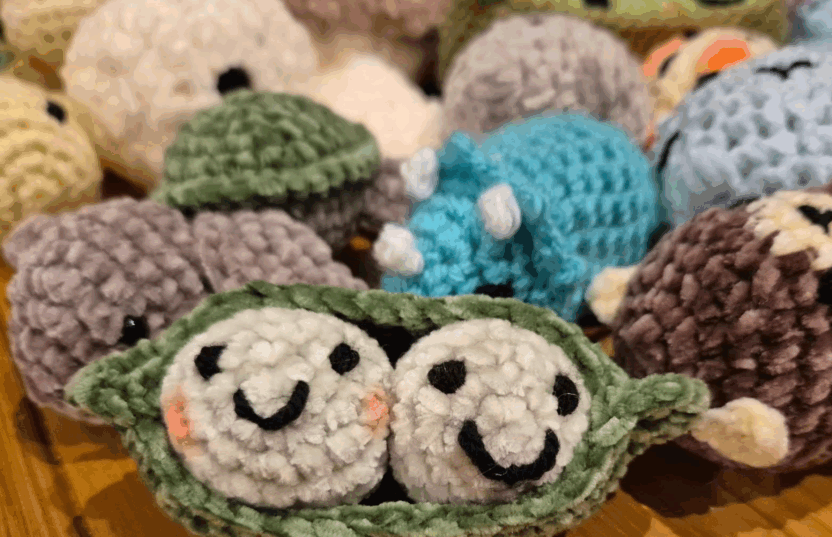
When I first came across Jo’s Facebook fundraiser, I was immediately struck by the creativity, commitment and warmth behind it. – and I LOVED seeing all the new pictures of Jo’s crochet creations pop up each week. What began as a personal challenge to mark a milestone birthday quickly revealed a powerful story of family, acceptance and advocacy. Jo’s dedication not only raised vital funds, but also shone a light on vitiligo in a way that felt honest, positive and deeply human. Stories like this matter — they remind us why awareness, research and community support are so important. Below is their family story, as told by Jo.
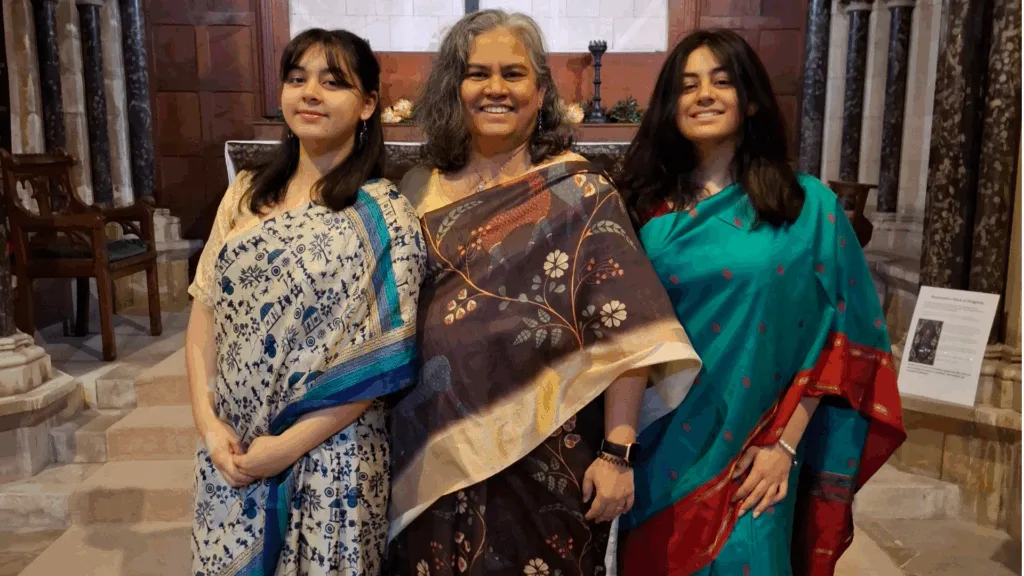
“When I began sharing my 50-day crochet fundraiser on Facebook, it was simply a way to mark my 50th birthday and do something positive while raising awareness of vitiligo in honour of my daughter, Emily. I never expected it to go beyond friends and family, so being contacted by the Vitiligo Society’s CEO after she spotted the fundraiser online was a real surprise. This is our story.”
Emily’s Diagnosis and Early Years
“Emily was first diagnosed with vitiligo in the summer of 2016 when she was 11 years old. As a parent, it was a confusing time, as there was not a lot of information about vitiligo available and what could be done to avoid making it worse. At the time, Emily thought it was weird and didn’t understand why her skin suddenly changed in some places and not others. She was worried about name calling, especially as she was just moving on to high school. Thankfully, over time, she has grown to be comfortable with her natural beauty and accepting of the differences she has.”
Living with Vitiligo
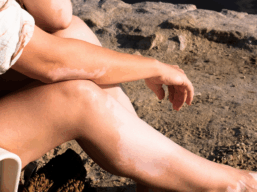
“As her parent, I have worried at times about vitiligo spreading to her face, as that is where it would be most noticeable, and in that sense I feel she has been lucky not to have it as obviously shown as others. In day-to-day life, it was annoying at first having to explain it all the time. She was often asked if it was a birthmark or if she had a ‘Michael Jackson moment’ when people noticed the patches on her hand and arm. After the first year, though, it didn’t bother her so much anymore and simply became the norm.
From both my perspective and Emily’s, vitiligo is a non-life-threatening disease. If you don’t let it affect you and how you view yourself, it typically won’t affect your day-to-day life. One of the main difficulties is with people who are unaware of the condition and don’t realise it is non-contagious, which can lead them to act with unnecessary caution. That’s why raising awareness is so important.”
Why a Crochet Challenge
“When I was approaching my 50th birthday, I wanted to do something to mark the occasion. As I had recently twisted my knee, it couldn’t be a sponsored walk or anything physical, so I decided to use my new hobby as a sponsored activity instead. I chose crochet because I enjoy it and enjoy putting patterns together. With amigurumi, I find it easier to complete these types of patterns in one day, which made it simpler to track progress over the full 50 days.
As a family, we talked about what cause to support through the fundraiser, and Emily suggested vitiligo, as it doesn’t have much awareness and lacks funding and research. The fundraiser allowed people across my life to get involved and learn more about vitiligo. A few family members were even surprised to find out about my daughter’s vitiligo. We chose The Vitiligo Society because it was the only UK organisation we found that raises awareness and sponsors research for vitiligo, so it felt like the obvious choice.”
The Making of 50 Creations
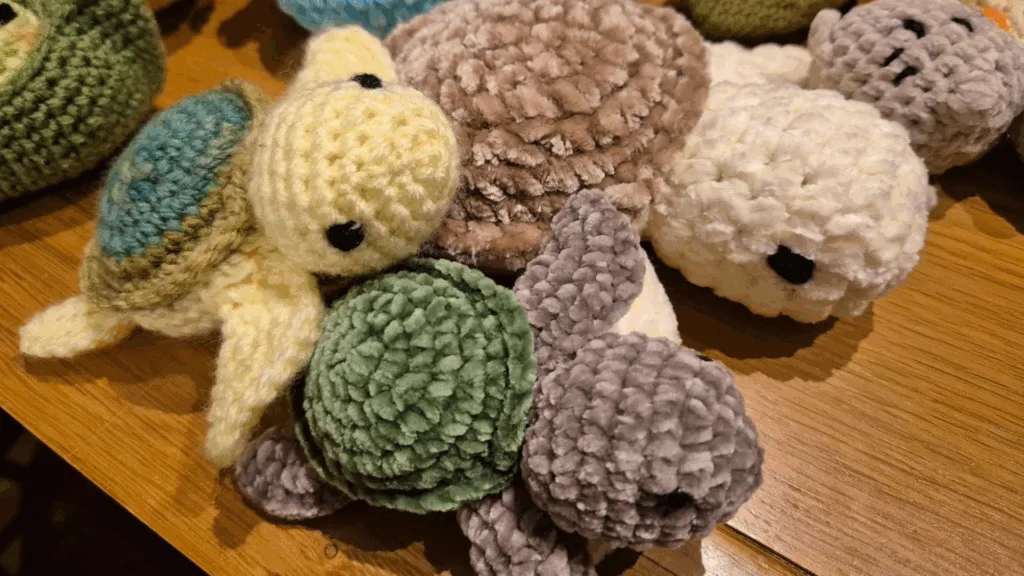
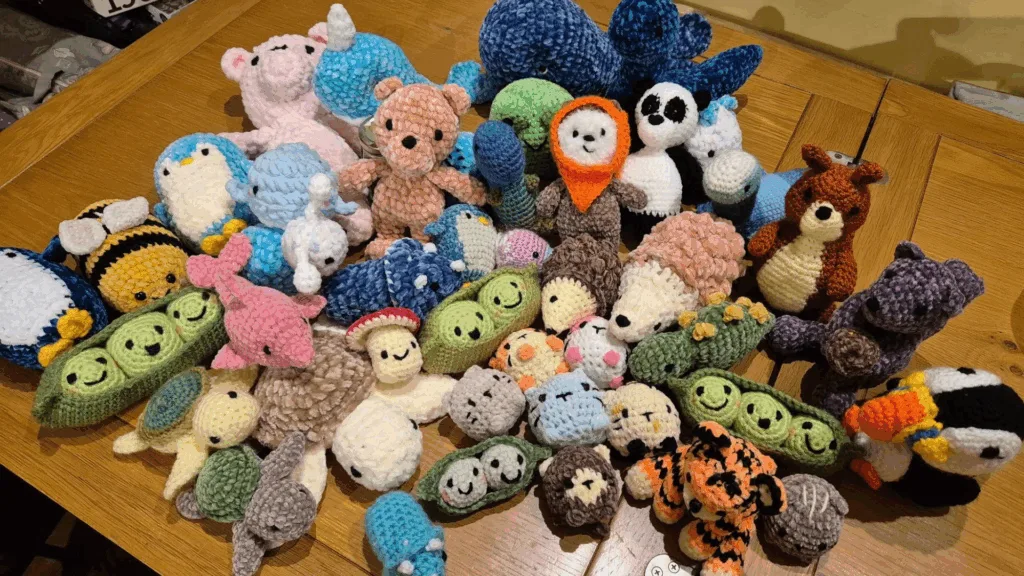
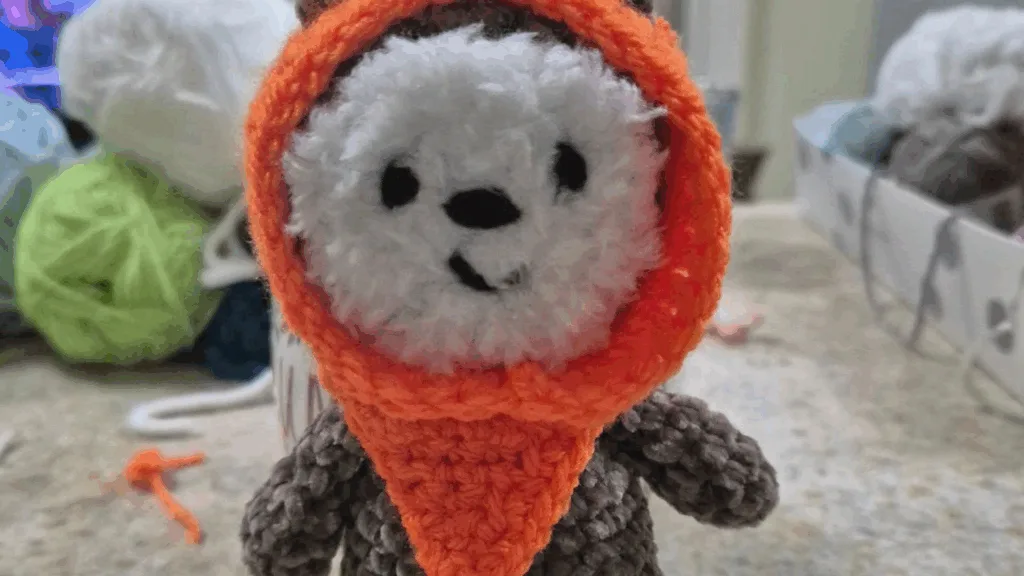
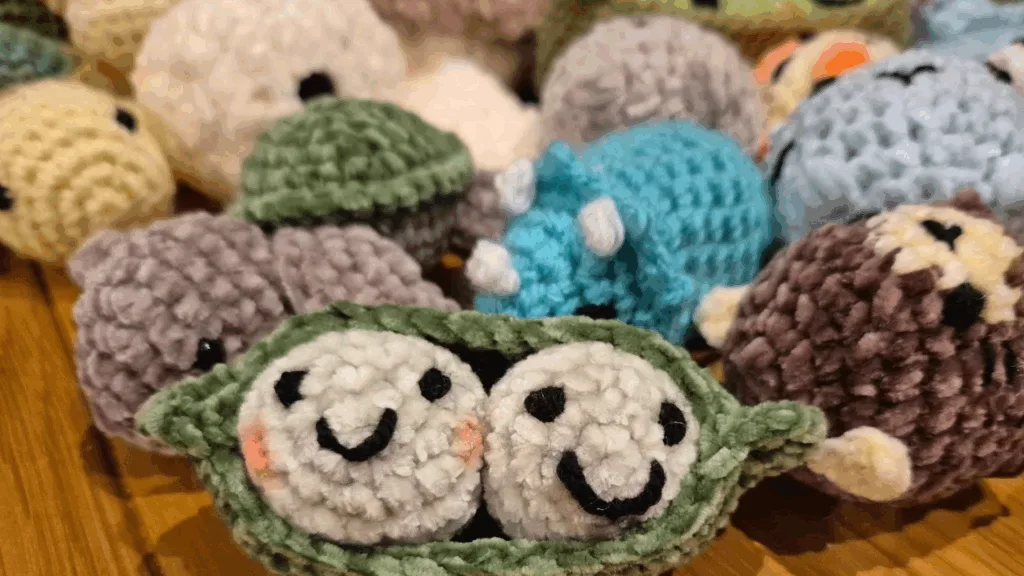
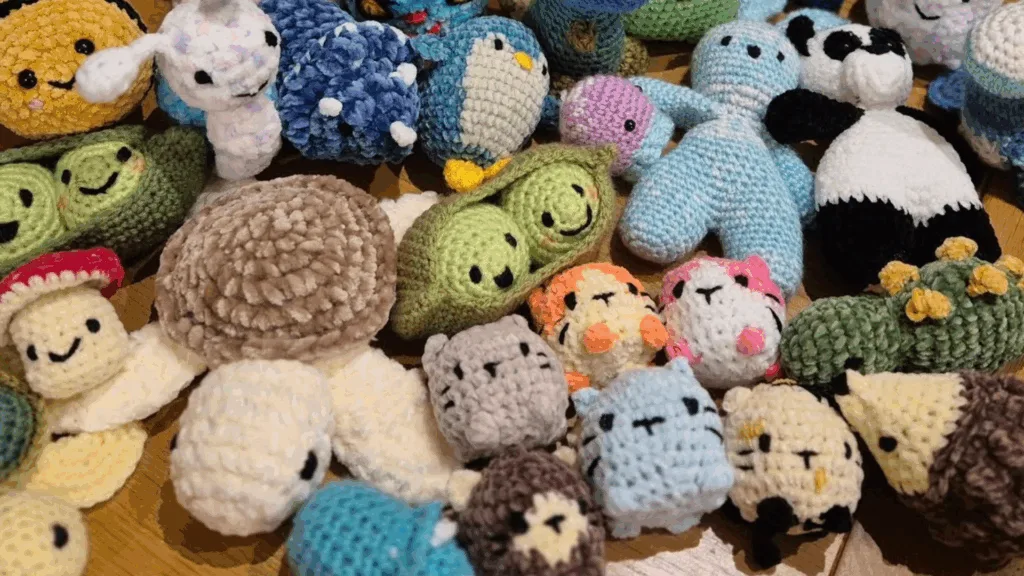
“To begin with, I started out with 10 familiar patterns and, as I tracked and shared my progress, I asked people to send in suggestions. Over time, I formed a theme for each week — dinosaurs, cats and woodland creatures — and I deliberately looked for two-toned or multi-coloured designs to link visually to vitiligo. My favourite creation was the narwhal, as I had always wanted to try making it and it turned out very soft and cute. There were many other highlights too, including the puffin requested by a church friend for his daughter, the squirrel requested by my close friend for her niece, the many requests for peas in a pod, and the Ewok requested by my husband.
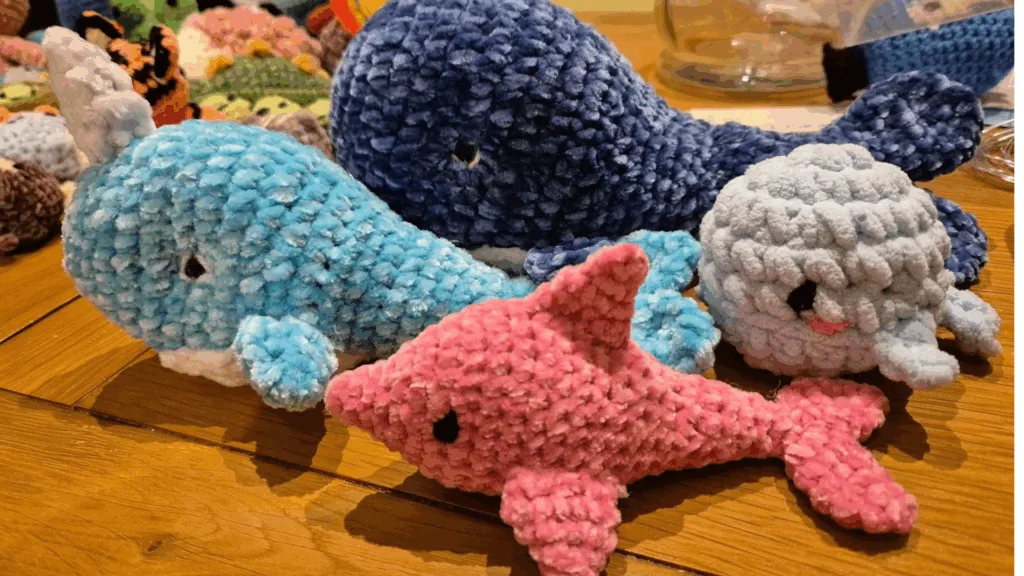
Some projects took longer than others. The puffin took four days, so to keep up the one-a-day pace I worked on smaller projects at the same time. The most difficult was the hedgehog, as every quill had to be done individually. The snail was also tricky at first because the initial design I followed was AI-generated and inaccurate. The most fun and challenging makes were the Ewok, tiger and squirrel, because I had to create their patterns from scratch myself.”
Creating Impact and Awareness
Throughout the challenge there were lots of lovely messages of support and engagement with The Vitiligo Society. At one point I was flooded with requests, but I managed to work through them all. Most days involved three to four hours of crochet, with the larger projects often keeping me up later. My hope is that this fundraiser helped raise awareness in a more positive light and that the funds raised will support research for those more deeply affected by vitiligo. One area I would most like to see improve is medical support. When we first sought medical help, the only recommended treatment was E45 cream, which is typically used for eczema and doesn’t target the underlying condition.
It was very uplifting to see people donating, supporting and cheering me on throughout the challenge. I definitely hope this might inspire others — whether to fundraise, to get creative or simply to understand vitiligo better. I want to say thank you very much to everyone who donated and spurred me on. I also want to encourage people to go and find out more about vitiligo and skin conditions like it.”
If you are inspired by Jo and Emily’s story and would like to raise vital funds to support our work then please contact our team: hello@vitligosociety.org.uk .

Please support our work! You've enjoyed 1 article this month and we hope you have found it useful. Our work is entirely funded by memberships and donations, so please consider joining our charity today and supporting our work.
Already a member? Log in