

Information for Healthcare Professionals
Vitiligo is a chronic skin condition that can have a significant psychological and social impact, as well as physical implications for the skin. Alongside appropriate diagnosis and treatment, people living with vitiligo often benefit from clear information, reassurance and access to support services.
This page brings together clinical guidance, evidence and patient‑led insight to support healthcare professionals involved in the care of people with vitiligo. It also outlines how the Vitiligo Society works alongside clinical services to complement medical care.
Clinical guidelines and standards of care
Clinical management of vitiligo in the UK is informed by national and international guidance. Key resources include:
- British Association of Dermatologists (BAD) guidelines for the management of people with vitiligo
- MHRA the licencing and regulation for vitiligo medicines, medical devices and clinical trials
- NHS England ensuring fair access to vitiligo treatments
These guidelines provide evidence‑based recommendations covering:
- classification of vitiligo subtypes
- use of topical therapies and phototherapy
- indications for referral and specialist care
- consideration of psychosocial impact
Healthcare professionals are encouraged to use up‑to‑date guideline resources as the foundation of clinical decision‑making, while recognising that individual experience and impact can vary significantly between patients.
NICE, NHS and UK medicines decision‑making
Access to treatments within the NHS is shaped by a series of connected processes that assess safety, clinical effectiveness and cost‑effectiveness. In England and Wales, NICE technology appraisals play a central role in determining whether new treatments are recommended for routine NHS use.
These decisions draw on:
- available clinical trial evidence
- uncertainties around long‑term outcomes
- challenges in measuring quality of life, particularly for visible difference conditions such as vitiligo
Before a medicine can be considered by NICE, it must first be licensed by the Medicines and Healthcare products Regulatory Agency (MHRA). The MHRA is responsible for ensuring that medicines and medical devices meet standards of safety, quality and efficacy in the UK.
Following a positive NICE recommendation, NHS organisations are required to implement funding and access within defined timeframes, although local pathways and service capacity can influence how quickly treatments become available in practice.
In Scotland, medicines access decisions are made separately by the Scottish Medicines Consortium (SMC). The SMC assesses the clinical and cost‑effectiveness of new medicines for use within NHS Scotland, operating independently from NICE. As a result, availability and timelines may differ between Scotland and other parts of the UK.
Patient evidence and lived experience play an important role across these processes. The Vitiligo Society contributes by supporting patient engagement in evidence submissions, consultations and decision‑making discussions, helping to ensure that the real‑world impact of vitiligo is recognised alongside clinical and economic data.

What patients tell us: evidence from lived experience
The Vitiligo Society has commissioned and undertaken UK‑based research to better understand the lived experience of people with vitiligo, drawing on large‑scale survey data, in‑depth interviews and behavioural segmentation analysis. This work provides robust insight into how vitiligo affects people beyond its physical presentation.
Key findings relevant to clinical practice
Psychological impact is common and does not depend on disease extent
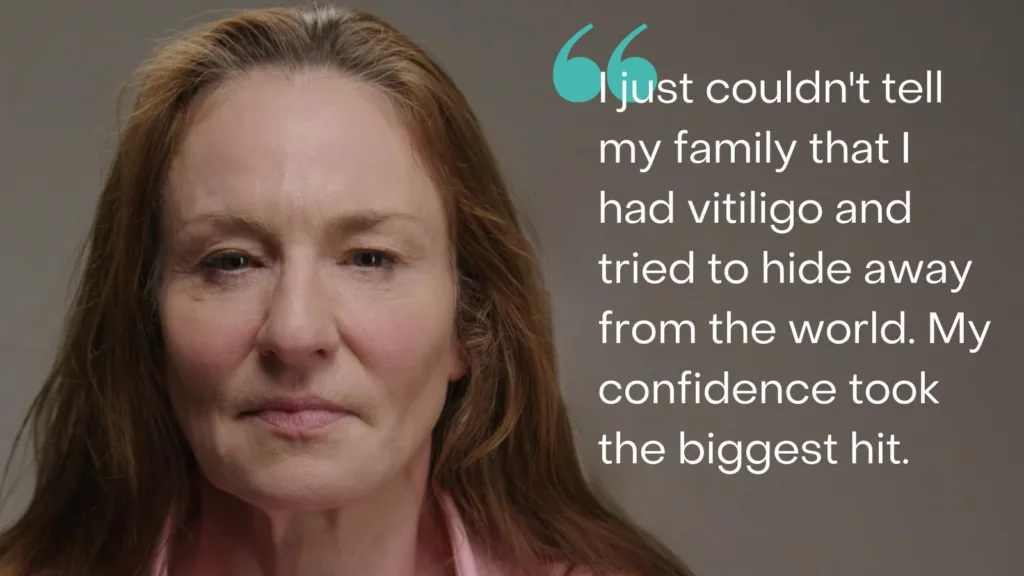
People living with vitiligo frequently report significant effects on confidence, self‑esteem and mental wellbeing. Importantly, the level of distress experienced does not reliably correlate with the size or spread of depigmented areas. Even limited or localised vitiligo, particularly when visible, can have a profound impact on quality of life.
Diagnosis is often experienced as insufficiently supported
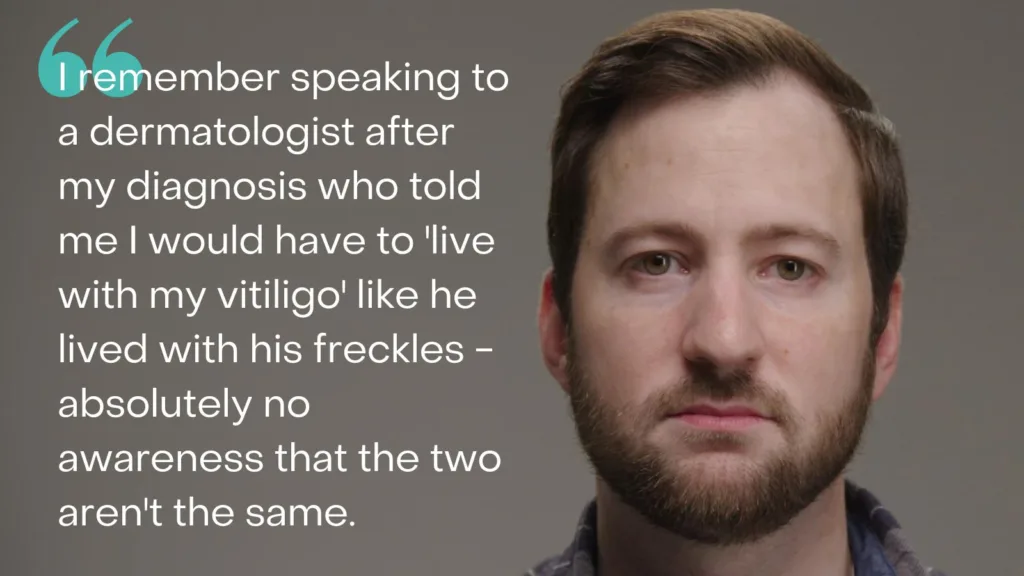
While many individuals first receive a vitiligo diagnosis through primary care, people frequently describe this moment as lacking reassurance, explanation and acknowledgement of emotional impact. A common theme is feeling dismissed or told that vitiligo is “only cosmetic”, which can be invalidating and leave patients seeking information and support independently.
Visibility, age and skin tone influence lived experience
Research shows that vitiligo can feel particularly impactful for younger people and for individuals with medium‑to‑dark skin tones, where contrast is more pronounced. Cultural context and social perceptions also influence how people experience and adapt to the condition.
Vitiligo affects daily life far beyond appearance
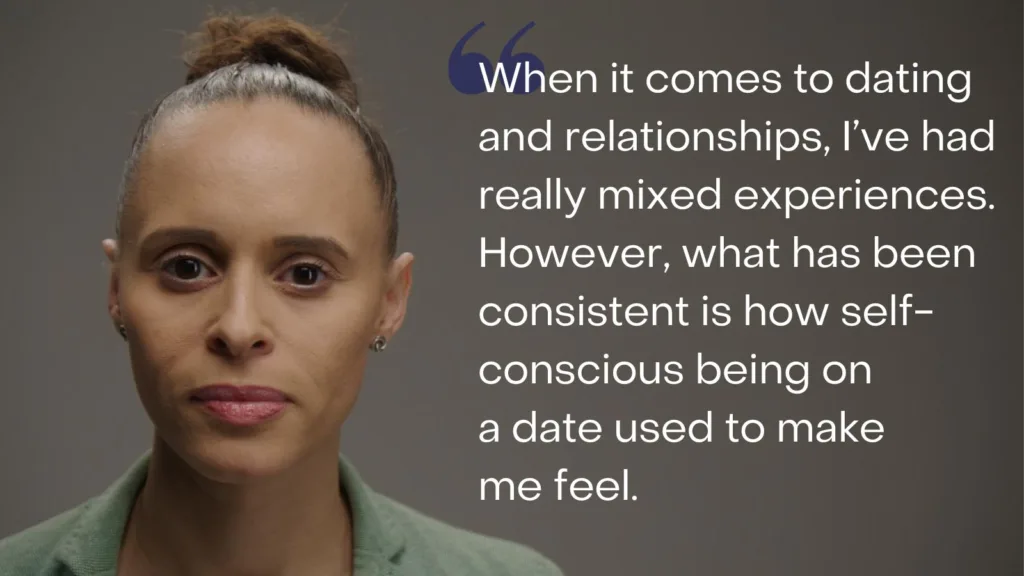
People report making ongoing adjustments to clothing, sun exposure, daily routines, social interactions, work and relationships. These adaptations require time, emotional energy and resilience, and are often invisible within clinical settings.
What patients say helps
Across research participants, people consistently highlight the value of:
- clear, honest explanations about vitiligo at diagnosis
- reassurance that emotional distress is understandable
- acknowledgement of the condition’s social and psychological impact
- access to trusted written information they can revisit
- signposting to peer support and specialist organisations
- access to psychological or counselling support when needed
Implications for healthcare professionals
This research reinforces the importance of holistic, patient‑centred care in vitiligo. Small changes within consultations — such as validating impact, offering reassurance, and signposting to appropriate support — can make a meaningful difference to patient experience.
The findings align with existing clinical guidance that emphasises quality of life alongside physical assessment, and support the role of patient organisations as a complementary part of the care pathway.
About the research
These insights are drawn from Vitiligo Society‑commissioned research conducted by an independent research partner. The study combined a national survey of people living with vitiligo, qualitative interviews and segmentation analysis to capture a wide range of experiences. While external funding supported the project, the Vitiligo Society retained full editorial control over the research and its findings.
The full report, Exploring perceptions and experiences with vitiligo (2023), is available on request.
Supporting patients beyond medical treatment
Medical treatment is only one part of effective vitiligo care. Many patients benefit from support that addresses the wider impact of the condition.
Healthcare professionals can support patients by:
- acknowledging the emotional and social impact of vitiligo
- signposting to trusted information and support services
- reassuring patients that distress is understandable and legitimate
- encouraging peer support, counselling, or self‑management resources where appropriate
Referral to patient support organisations can play an important role in helping individuals feel less isolated and more informed, particularly at diagnosis or during periods of change.

Vitiligo Society resources for clinicians
The Vitiligo Society provides specialist, non‑medical support that complements clinical care and helps people with vitiligo navigate the wider impacts of the condition.
Helpline and individual support
The Vitiligo Society runs a national helpline, offering direct access to trained support staff who understand vitiligo and its impact. The helpline provides reassurance, information and signposting, and is often a first point of contact for people who feel uncertain or unsupported following diagnosis.
In addition to the helpline, the Society offers one‑to‑one support through its Support Services team. This service is overseen by a Head of Support Services, who manages individual casework and ensures that support is tailored to each person’s circumstances.
One‑to‑one casework support
Individual support may include helping people to:
- understand and navigate NHS referral and treatment pathways
- access skin camouflage services, including NHS and community‑based options
- find appropriate peer support or local support groups
- locate reliable, evidence‑based information about vitiligo
- explore emotional wellbeing and counselling options
- address challenges related to work, education or daily living
This casework approach recognises that people experience vitiligo in different ways, and that needs can extend beyond what is possible to address within clinical appointments alone.
Working alongside healthcare professionals
The Vitiligo Society’s support services are not a substitute for medical care, but are designed to work alongside healthcare professionals by:
- providing time, space and continuity of support outside consultations
- reinforcing accurate, non‑harmful information
- helping reduce distress and uncertainty following diagnosis
- supporting patients to engage more confidently with their care
Clinicians can feel reassured that referral to the Vitiligo Society connects patients with trusted, condition‑specific support that respects clinical guidance and avoids promoting unproven or unsafe treatments.
Patient information and referral resources
The Society also produces clear, accessible patient information that healthcare professionals can confidently share, including:
- a patient information leaflet and poster explaining vitiligo, treatment pathways and sources of support
- written resources designed to be revisited after appointments, when information may be difficult to retain
Hard copies of patient materials can be requested by contacting: hello@vitiligosociety.org.uk
Referral and contact
Healthcare professionals are welcome to encourage patients to contact the Vitiligo Society directly, or to signpost them to the Society’s services at any point in their care journey — particularly at diagnosis, during treatment decision‑making, or when vitiligo is affecting wellbeing or daily life.
Working together to improve vitiligo care
Vitiligo management is most effective when medical care is complemented by understanding, reassurance and appropriate support.
The Vitiligo Society exists to work alongside healthcare professionals, not to replace clinical care, but to strengthen it through trusted information, patient insight and support services.