

Wellbeing and Identity
Wellbeing and identity in vitiligo are closely linked, as the condition can affect how people feel about themselves, their confidence and their sense of belonging. Vitiligo can influence emotional health, relationships and identity in different ways, and these experiences can change over time.
There is no single way to respond to living with vitiligo. Some people adapt quickly, while others need time and support. This page focuses on wellbeing and identity vitiligo experiences, offering reassurance, understanding and signposting to support.
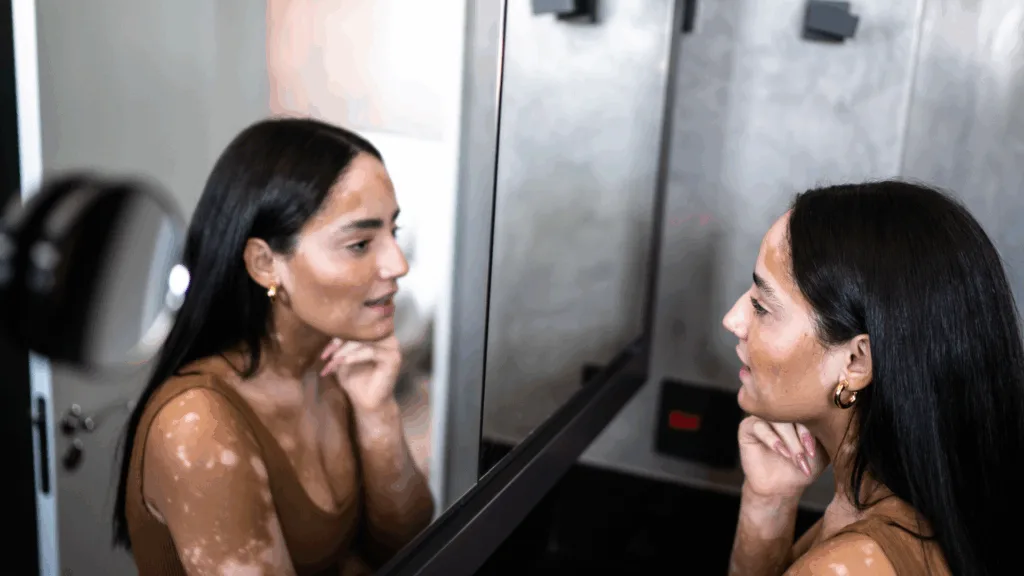
Mental and Emotional Wellbeing
Mental and emotional wellbeing is an important part of living with vitiligo. Being diagnosed can be a shock, and uncertainty about how vitiligo may develop can feel stressful or overwhelming.
Some people experience:
- anxiety or low mood
- stress related to appearance or uncertainty
- frustration or loss of confidence
- feelings of sadness or grief about changes to their skin
These responses are normal. The emotional impact of vitiligo does not depend on how visible or widespread it is. Even small areas of vitiligo can affect mental wellbeing.
Looking after emotional wellbeing may involve talking with trusted people, connecting with others who understand vitiligo, or seeking professional support. If distress feels ongoing or difficult to manage, speaking to a GP about mental health support can be helpful.
Read more
Lifestyle


Visit our Member Magazine
Male Depression: How to Spot and Support those with Mental Health Concerns
Lifestyle

Visit our Member Magazine
How to manage negative emotions often associated with vitiligo
Stories

Visit our Member Magazine
Managing the psychological impact of vitiligo
Lifestyle

Visit our Member Magazine
4 Ways to proactively manage mental health when you live with vitiligo
Confidence and Self‑Acceptance
Vitiligo can affect confidence, especially in social situations or when meeting new people. Some individuals find themselves avoiding activities they once enjoyed or feeling self‑conscious about unwanted attention or questions.
Building confidence with vitiligo often happens gradually. Many people find it helpful to:
- decide how they want to talk about vitiligo, if at all
- prepare responses to questions or comments
- wear clothes, hair or makeup that support confidence
- focus on aspects of identity beyond appearance
Self‑acceptance does not mean having to feel positive all the time. For many, it means recognising that vitiligo is one part of a much wider identity. Confidence often grows through self‑compassion, supportive relationships and shared experiences.
Read more
Lifestyle

Visit our Member Magazine
4 strategies for embracing vitiligo & the summer
Stories

Visit our Member Magazine
“I Had To Work Hard at Accepting My Skin. Here’s How I Did It”
Stories

Visit our Member Magazine
“Every Body Beautiful” Founder Natalie Jones Shares How She Became Comfortable In Her Skin
Lifestyle

Visit our Member Magazine
How Loving Myself First Became The Foundation To Others Loving Me To
Vitiligo and Skin of Colour
Vitiligo affects people of all skin colours and backgrounds. However, its impact can feel different for people with darker skin tones, where contrast between pigmented and depigmented skin may be more visible.
For some individuals, vitiligo can have a strong effect on identity, cultural belonging or self‑image. In certain communities, misunderstandings or stigma about vitiligo can increase feelings of isolation, shame or pressure to conceal the condition.
People with skin of colour may experience:
- increased visibility of vitiligo patches
- concerns about cultural or social acceptance
- fear of misunderstanding or discrimination
- feelings of loss related to racial or cultural identity
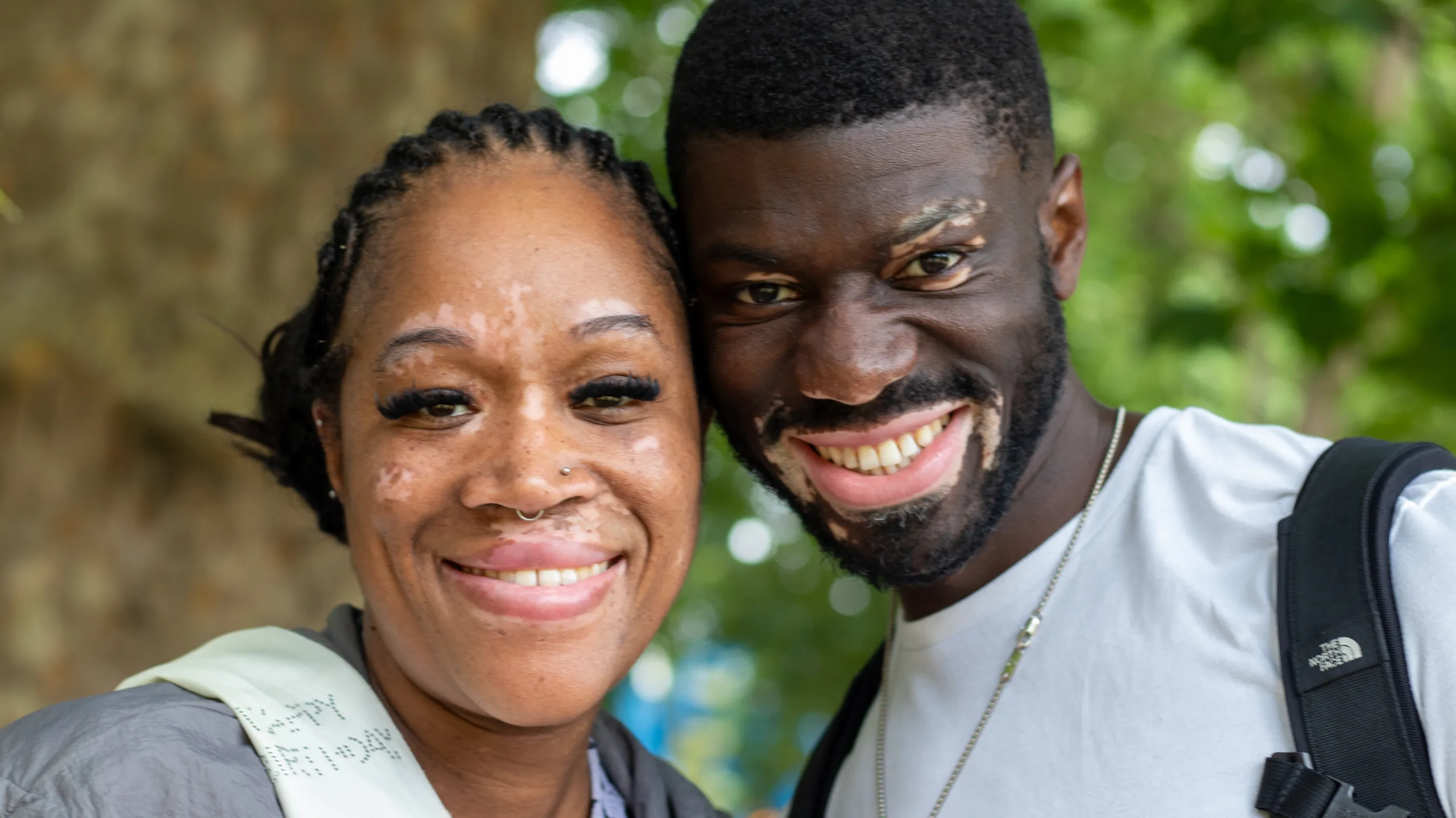
These experiences are valid and deserve recognition. Support that is culturally sensitive and grounded in lived experience can make a difference. Connecting with others who share similar backgrounds, or accessing psychological support, may help individuals navigate these challenges.
Vitiligo does not define worth, beauty or identity. Everyone’s experience is unique, and support should reflect that diversity.
Read more
News

Visit our Member Magazine
New Research Highlights the Emotional Impact of Vitiligo Across Cultures
Lifestyle

Visit our Member Magazine
Finding Strength in My Skin: My Journey with Vitiligo and the Power of Black History Month
Stories

Visit our Member Magazine
My Skin is Like Siapo: A Story of Vitiligo, Culture, and Confidence
Stories
Visit our Member Magazine
From hiding to honouring: My journey to loving the skin I’m in
Finding Vitiligo Support
Looking after wellbeing and identity is just as important as managing the physical aspects of vitiligo. Support is available, and you do not have to navigate this alone.
You may find it helpful to explore:
Some people find it helpful to explore additional sources of support and information alongside The Vitiligo Society’s services. This may include NHS guidance on mental health and wellbeing, information from the British Skin Foundation, or confidence‑building support from organisations such as Changing Faces.
If vitiligo is affecting your mental health, daily life or relationships, reaching out for support is a positive and important step.