

Understanding Vitiligo
What is vitiligo?
Understanding vitiligo starts with knowing what the condition is, what causes it, who it affects and how it may present in both adults and children.
Vitiligo, also called ‘leucoderma’, is a long-term (chronic) skin condition that causes an area of the skin to lose its colour (pigmentation). Melanocytes (the skin cells that make pigment) which results in the area looking white or pink in appearance.
Vitiligo can actually appear anywhere on the body, but it’s more likely to develop in some of the following areas:
- Eyes, nostrils, belly button, elbows, and genital areas.
- Occasionally found inside of the mouth.
- Areas of the body that have folds, such as the knees and elbows.
- Because pigment cells give colour to hair as well as skin, some people with vitiligo may notice early onset greying of the hair or a loss of colour on the lips.
Signs & Symptoms Of Vitiligo
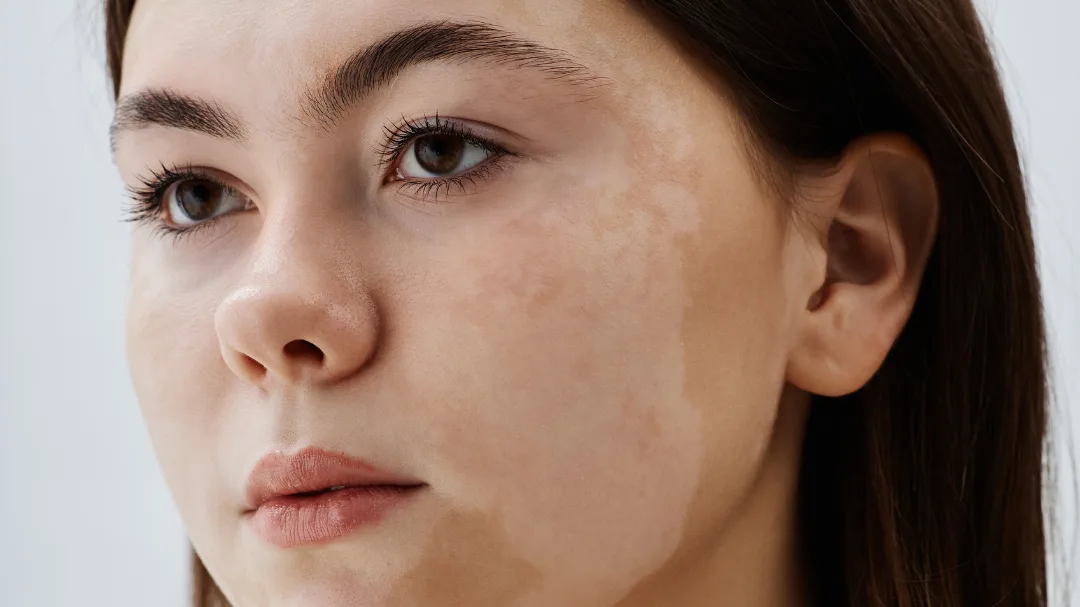
Vitiligo often begins subtly. Many people first notice a small pale or white area that looks different from the surrounding skin. Over time, this area may become lighter and more defined, sometimes developing into a clearly white patch.
What vitiligo patches look like
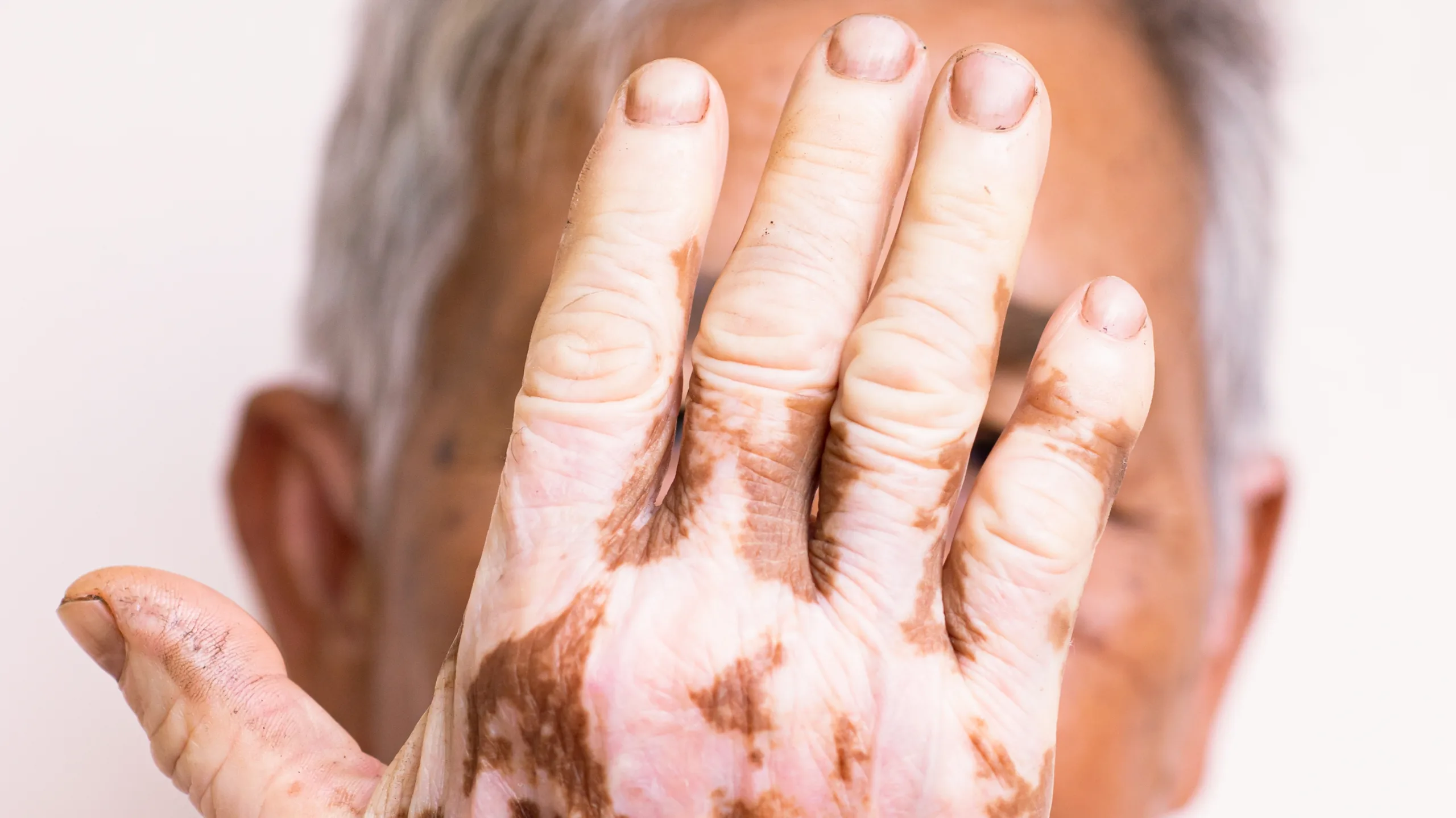
Vitiligo does not look the same for everyone. Patches can vary widely in size, shape, and appearance, even within the same person. Common ways vitiligo patches may appear include:
- Small, pale marks that gradually become whiter
- Larger flat patches with clear edges
- Clusters of smaller spots that may merge over time
- Symmetrical patches appearing on both sides of the body
- Areas with a slightly darker or inflamed-looking border around the white patch
- Patches affecting areas such as the face, hands, feet, elbows, knees, underarms, or around the eyes, mouth, or genitals
In some people, hair growing in affected areas may turn white or grey. This can include scalp hair, eyebrows, eyelashes, or beard hair.
Vitiligo patches usually feel completely normal in that they are not raised, thickened, or scaly. This can sometimes make them difficult to notice at first, especially on fairer skin.
How vitiligo patches might grow and change
Patches grow and change differently for people, they may:
- Expand gradually at the edges
- Remain unchanged for long periods
- Merge with nearby patches
- Appear in new locations, even after years of stability
There is no reliable way to predict how vitiligo will appear and progress in any individual.
Vitiligo Symptoms
Vitiligo itself does not cause pain, but some people experience additional sensations, particularly when new patches are forming. These may include:
- Mild itching before or during the appearance of a new patch
- Dryness or sensitivity in affected areas
- Temporary redness or irritation, especially early on
For many people, these sensations settle over time, leaving skin that feels normal again despite the change in colour.

What causes vitiligo?
Vitiligo occurs when the skin lacks pigment because there are not enough functioning melanocytes to produce melanin. At present, researchers do not fully understand why this process happens.
Researchers believe that vitiligo has links to autoimmune disease. In these conditions, the immune system mistakenly attacks healthy tissue instead of targeting infections such as viruses or bacteria. In some cases, the first visible signs of vitiligo appear in areas of skin that have experienced significant sun damage.
Risk factors for developing vitiligo
Vitiligo can affect anyone, but it is more commonly seen in people who have certain risk factors. Vitiligo tends to be more common in individuals who: have a family history of vitiligo or have been affected by one or more autoimmune conditions, such as: Hyperthyroidism; Rheumatoid arthritis; Type 1 diabetes; Psoriasis; Pernicious anaemia; Addison’s disease; Systemic lupus erythematosus; Coeliac disease; Crohn’s disease; Ulcerative colitis.
As with autoimmune associations, many people also report a relationship between eczema and their vitiligo patches. Risk factors increase the likelihood of vitiligo but do not determine whether someone will develop the condition. In many cases, no clear cause or risk factor can be identified.
Factors that may trigger vitiligo
The exact cause of vitiligo is not fully understood. However, research suggests that certain factors may trigger the onset of vitiligo in people who are already susceptible. These potential triggers include: Stress; Physical damage to the skin, such as severe sunburn, cuts or friction (sometimes referred to as the Koebner phenomenon); Hormonal changes, for example during adolescence; Exposure to certain chemicals; Liver or kidney conditions.
Some chemical compounds, particularly those containing phenol (also known as carbolic or phenic acid), have been identified as possible triggers of vitiligo. These substances may be found in: Adhesives; Deodorants; Disinfectants; Duplicating paper; Germicidal detergents; Insecticides; Latex gloves; Paints; Photographic chemicals; Printing inks; Soap antioxidants; Synthetic oils; Varnish and lacquer resins.
Triggers do not cause vitiligo on their own. They may contribute to the onset or spread of vitiligo in people who are already predisposed to developing the condition.
Autoimmune conditions associated with vitiligo
Vitiligo is widely considered to be an autoimmune condition. This means the immune system mistakenly targets the body’s own pigment‑producing cells (melanocytes).
It is generally thought that around 15–25% of people with vitiligo may also be affected by at least one other autoimmune condition. These may include: Hyperthyroidism (overactive thyroid gland); Rheumatoid arthritis; Type 1 diabetes; Psoriasis; Pernicious anaemia; Addison’s disease; Systemic lupus erythematosus; Coeliac disease; Crohn’s disease; Ulcerative colitis. Many people with vitiligo also notice a correlation between eczema and changes in their pigmentation.
Having vitiligo does not mean that you will develop another autoimmune condition. Most people with vitiligo do not experience additional autoimmune disease, and routine screening is guided by symptoms rather than diagnosis alone.
Who can get vitiligo?
Anyone can develop vitiligo at any age. The condition does not discriminate based on skin colour, ethnicity or background. However, vitiligo often appears more visually prominent in people with darker skin tones.
People with lighter skin may not notice depigmentation as easily. Vitiligo occurs more frequently in individuals with a family history of the condition or with other autoimmune diseases. Although vitiligo can begin at any age, around 95% of people develop it before the age of 40.
Is vitiligo hereditary?
Vitiligo can be hereditary, although it does not follow a simple pattern of inheritance. The condition can run in families, but genetics alone do not determine who will develop vitiligo.
Around 30% of people with vitiligo report a family history of the condition. Children do not develop vitiligo simply because a parent has it, but having a family history may increase the likelihood.
Vitiligo Myths
MYTH #1: Vitiligo is contagious.
FACT: You can’t catch vitiligo and you certainly can’t pass it on by touching someone.
MYTH #2: Vitiligo causes cancer.
FACT: Vitiligo does not cause cancer, nor is it a sign or symptom of cancer.
MYTH #3: Vitiligo is linked to albinusm or leprosy.
FACT: Vitiligo isn’t linked to albinism or leprosy.
MYTH #4: Vitiligo can be passed onto someone else.
FACT: Vitiligo is not an infectious disease.
MYTH #5: People with lighter skin can’t get vitiligo.
FACT: Anyone can develop vitiligo at any age or any race.
MYTH #6: Vitiligo is not a physically harmful condition.
FACT: Vitiligo can negatively impact a person’s quality of life and self-esteem.
Understanding Vitiligo in Children
Vitiligo can present at any age, including infancy and early childhood. In many cases, childhood vitiligo develops in a similar way to adult vitiligo. However, children are more likely to develop segmental vitiligo than adults.
When changes in a child’s skin appear, parents and carers often have understandable concerns. Early recognition, appropriate medical assessment and clear information can help families understand what is happening and what to expect.
This section explains how vitiligo may present in babies and children, how a diagnosis is made, and how to seek appropriate medical advice. It also signposts to additional sources of support for families who may need emotional or practical help alongside medical guidance.
Identifying vitiligo in children and babies
We would always suggest seeking a formal diagnosis of vitiligo from a trained healthcare professional. However, there are some signs and symptoms that you can look out for if considering if your child might have vitiligo. We talk through these generic symptoms here.
The signs and symptoms of vitiligo in babies and children are broadly similar, with the exception that children are more likely to have the segmental type of vitiligo so statistically that presentation will be more common in children.
Read more
Stories


Visit our Member Magazine
“I Want Children to Feel Inspired, Empowered and Appreciative of the differences they have”.
Stories

Visit our Member Magazine
“Charlie Feels So Much More Confident In His Skin, Especially Since He Found The Vitiligo Society”
Lifestyle

Visit our Member Magazine
“My aim is for our children to see themselves celebrated, including children with vitiligo”
Lifestyle

Visit our Member Magazine
4 ways you can build confidence in children with vitiligo
How to get medical advice about your child’s vitiligo
As you may know, going to the doctor or specialist with your child can be very stressful. You will probably be discussing their vitiligo in front of them, which may cause your child distress, especially if they are not fully prepared to see the doctor. It is advisable to discuss the visit beforehand and write down the questions you (or your child) want to ask before you go.
As a parent, you will naturally want to get the best treatment for your child and try every medical option open. However, you need to be aware that your efforts to find a treatment may be misunderstood by your child. It is possible that they may think that this means you are ashamed of their condition and ultimately that you don’t love them. It will be beneficial to review some of the treatment options beforehand with your child and understand if they want to try any of the options. Ultimately, your child should understand that accepting vitiligo and not treating it is also an option and that they will have your support.
You can help your child cope with concerns about vitiligo by making them feel secure and loved for who they are. The more confident they are in managing any difficulties they have, the more positive they will feel about the future.
Read more about treatment options for vitiligo.
Read more
Lifestyle

Visit our Member Magazine
Back to school with confidence: Tips for supporting your child with vitiligo
Stories

Visit our Member Magazine
One family’s story: How vitiligo is an ongoing journey of discovery
Lifestyle

Visit our Member Magazine
How Teachers Can Support Children With Vitiligo
Lifestyle

Visit our Member Magazine
Our role as parents of children with vitiligo
Support for parents, carers and families
Finding out that your child has vitiligo can raise questions as well as emotional concerns. Alongside medical advice, many families find it helpful to access trusted information, shared experience and supportive resources. You may wish to explore the following:
Self‑help resources: Our free self‑help resources provide practical information and guidance for individuals and families affected by vitiligo, including materials you can use at your own pace or share with schools and healthcare professionals.
Support groups for parents and carers: Some parents find it helpful to speak with others who understand the experience of supporting a child with vitiligo. Details of our Parent Support Network and monthly parent support group are available through our support groups page.
Stories and lived experience: Reading the experiences of other children and young people with vitiligo can help normalise the condition and reduce feelings of isolation. You can explore lived‑experience stories through our Ambassadors and community contributors.
Further help
If you are unsure where to turn or would like to be signposted to appropriate support, you can contact The Vitiligo Society directly: hello@vitiligosociety.org.uk.
You may also find the following external resources helpful when building your understanding of vitiligo: