

Protecting Yourself from Unproven Vitiligo Treatments
Unproven vitiligo treatments are widely marketed online and can place people at risk of physical, emotional and financial harm.
Living with vitiligo can be emotionally and practically challenging. For many people, long waiting times, limited treatment options and a lack of clear answers can create understandable frustration. Unfortunately, these same factors also make people with vitiligo more vulnerable to misleading claims, aggressive marketing and unsafe treatments.
This page aims to help you recognise unproven or unsafe vitiligo treatments, understand the risks involved, and know where to turn for reliable support.
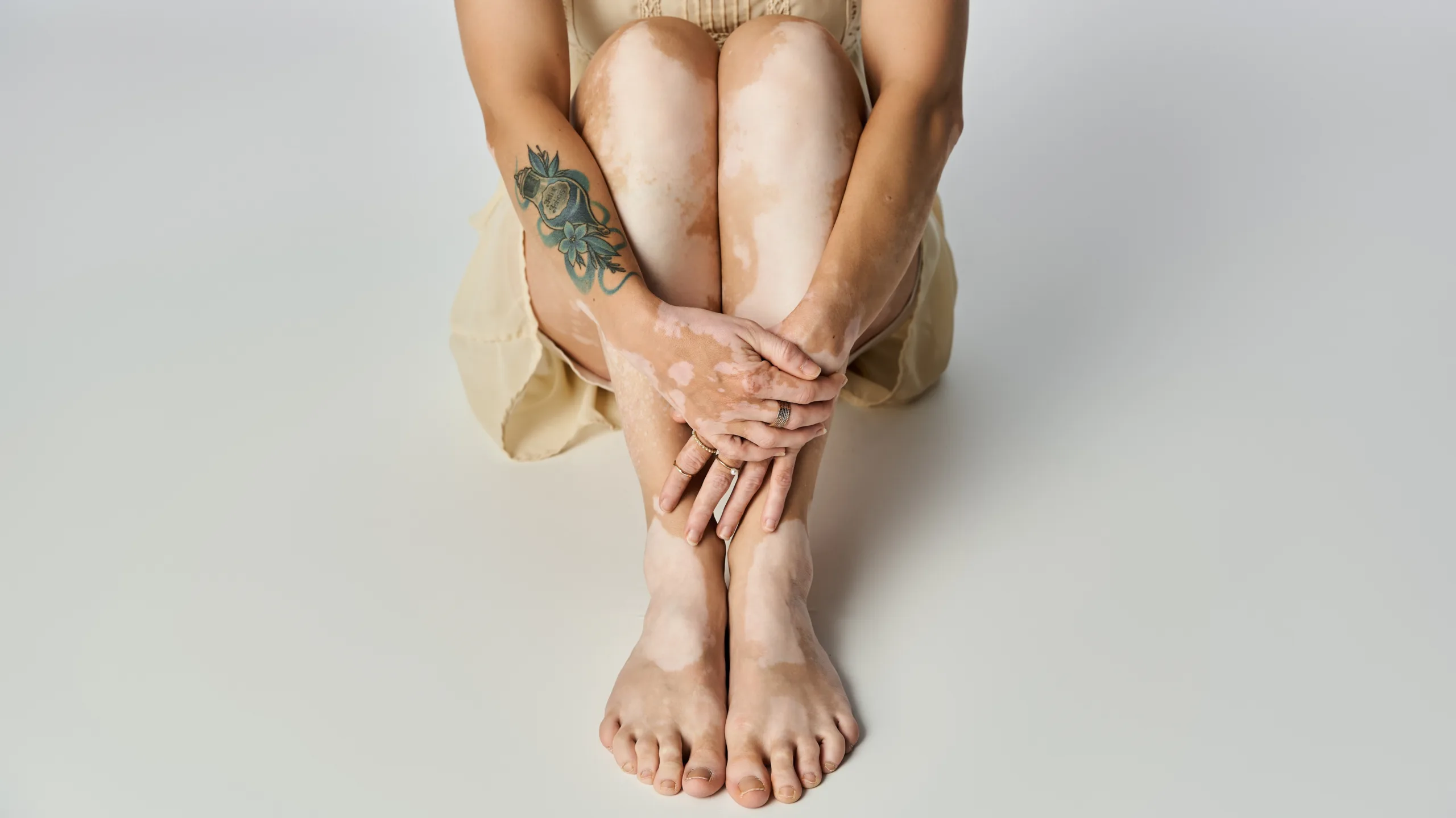
Why people with vitiligo are often targeted
Vitiligo is a visible condition with no confirmed cure. This reality can leave people searching for hope, particularly when treatment options feel limited or slow to access.
Companies and individuals selling unproven products often target people who:
- feel disheartened by long waits for dermatology appointments
- have tried multiple treatments without success
- experience low confidence or distress related to their appearance
- seek community support through online groups or social media
Online advertising algorithms can also play a role. Searching for vitiligo treatments, joining support groups, or engaging with related content can lead to repeated exposure to adverts for products that claim dramatic results but lack evidence or oversight.

Common warning signs of unproven vitiligo treatments
Many unproven vitiligo treatments rely on exaggerated claims rather than evidence. Be cautious if a product, service or individual claims any of the following:
- a guaranteed cure for vitiligo
- results that “work for everyone”
- dramatic before‑and‑after images without clinical context
- endorsements from doctors, dermatologists or organisations that cannot be independently verified
- claims that NHS clinicians are “hiding” or “blocking” a cure
- pressure to act quickly, such as limited‑time offers or special discounts
- requests to continue conversations privately via direct messages
No treatment currently approved for vitiligo offers guaranteed or permanent results, and credible clinicians will never pressure you into making quick decisions.

False endorsements and misleading claims
Some companies falsely claim that their products are:
- approved by dermatologists
- recommended by the NHS
- supported by charities or patient organisations
- “clinically proven” without published evidence
In some cases, names, logos or quotes may be used without permission.
If a company claims endorsement from a reputable organisation or clinician, it is always appropriate to check directly. The Vitiligo Society is happy to confirm whether something is genuinely supported or endorsed.
Risks of unsupervised treatments
Products and devices marketed online may appear harmless, but unsupervised use can lead to real harm.
Examples include:
- Home phototherapy units used without medical guidance, which can result in burns or skin damage
- Licensed medicines obtained privately and used without dermatology supervision
- Mixing multiple treatments without understanding risks or interactions
Even treatments that are licensed or approved can be unsafe if used incorrectly or without appropriate monitoring. Dermatologists play a crucial role in assessing suitability, dosing, duration and safety.
Read more
Lifestyle


Visit our Member Magazine
Exploring AI Images and vitiligo
Lifestyle

Visit our Member Magazine
Finding Trusted Information About Vitiligo in a World of Misinformation
Research & Treatment

Visit our Member Magazine
Thinking About Home Phototherapy for Vitiligo? Here’s What You Need to Know
Research & Treatment

Visit our Member Magazine
Vitiligo Clinical and Research Centre now accepting referrals
Feeling stuck or let down by the healthcare system
It is important to acknowledge that many people feel disappointed or let down when accessing care. These feelings are valid.
However, no one should feel pushed into risky or unregulated treatments, even when waiting times are long or options feel limited. Acting without professional guidance can cause harm and may close off safer options in the future.
If you feel that the healthcare system is not meeting your needs, you are not alone — and support is available.
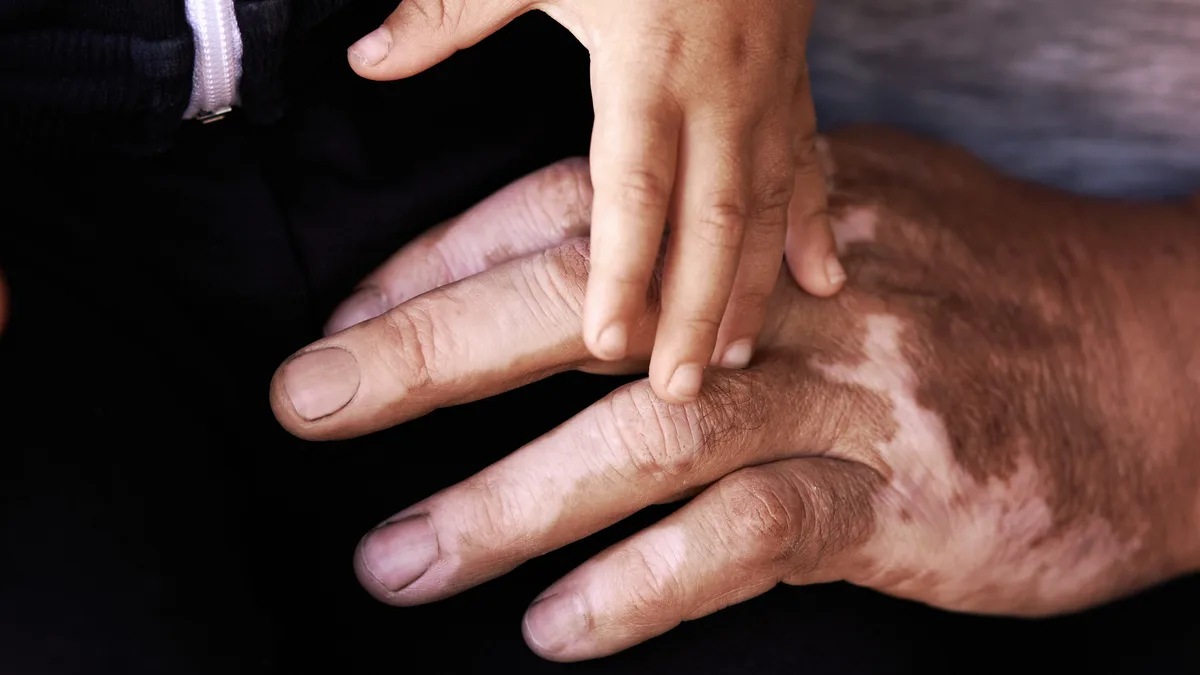
What to do if you are unsure about a treatment
Before purchasing or starting any treatment, consider the following steps:
- pause and take time to assess claims
- look for evidence from reputable medical or NHS‑aligned sources
- speak with a healthcare professional where possible
- avoid treatments that promise guaranteed or permanent results
- contact The Vitiligo Society for guidance and support
We can:
- help you understand what is evidence‑based
- explain where products sit within recognised care pathways
- support you in navigating NHS referrals and services
- help you assess whether a claim sounds realistic or misleading

Reporting misleading information
If you encounter:
- fake endorsements
- misleading adverts
- unsafe treatment advice
- exploitation within online support spaces
telling us helps protect others. You can contact our team in confidence, and we will take concerns seriously. If you are unsure whether something counts as an unproven vitiligo treatment, our team can help you sense‑check it.
Progress in vitiligo treatment is happening, but it takes time and careful regulation to ensure treatments are effective and safe. Nothing should ever require secrecy, pressure or risk to your wellbeing. If something feels too good to be true, or if you feel unsure, please reach out.
Learn more about vitiligo treatment
You may also find these pages helpful:
Vitiligo Treatment Options: Overview of available treatments
Topical Vitiligo Treatments: Steroid creams and tacrolimus
Phototherapy for Vitiligo: UVB and PUVA treatment
How Vitiligo Is Diagnosed: Assessment and referral pathways
You may also find the following NHS‑endorsed sources helpful when learning how vitiligo is diagnosed: NHS overview of vitiligo & British Association of Dermatologists guidance on vitiligo.