

Vitiligo Lifestyle Tips
Living with vitiligo often involves making small, practical adjustments to protect your skin and support your wellbeing. This page shares vitiligo lifestyle tips, including guidance on skin care, sun protection and everyday routines that many people find helpful.
This page brings together trusted guidance and lived‑experience insight to support day‑to‑day living with vitiligo.
Vitiligo Skin Care and Sun Protection
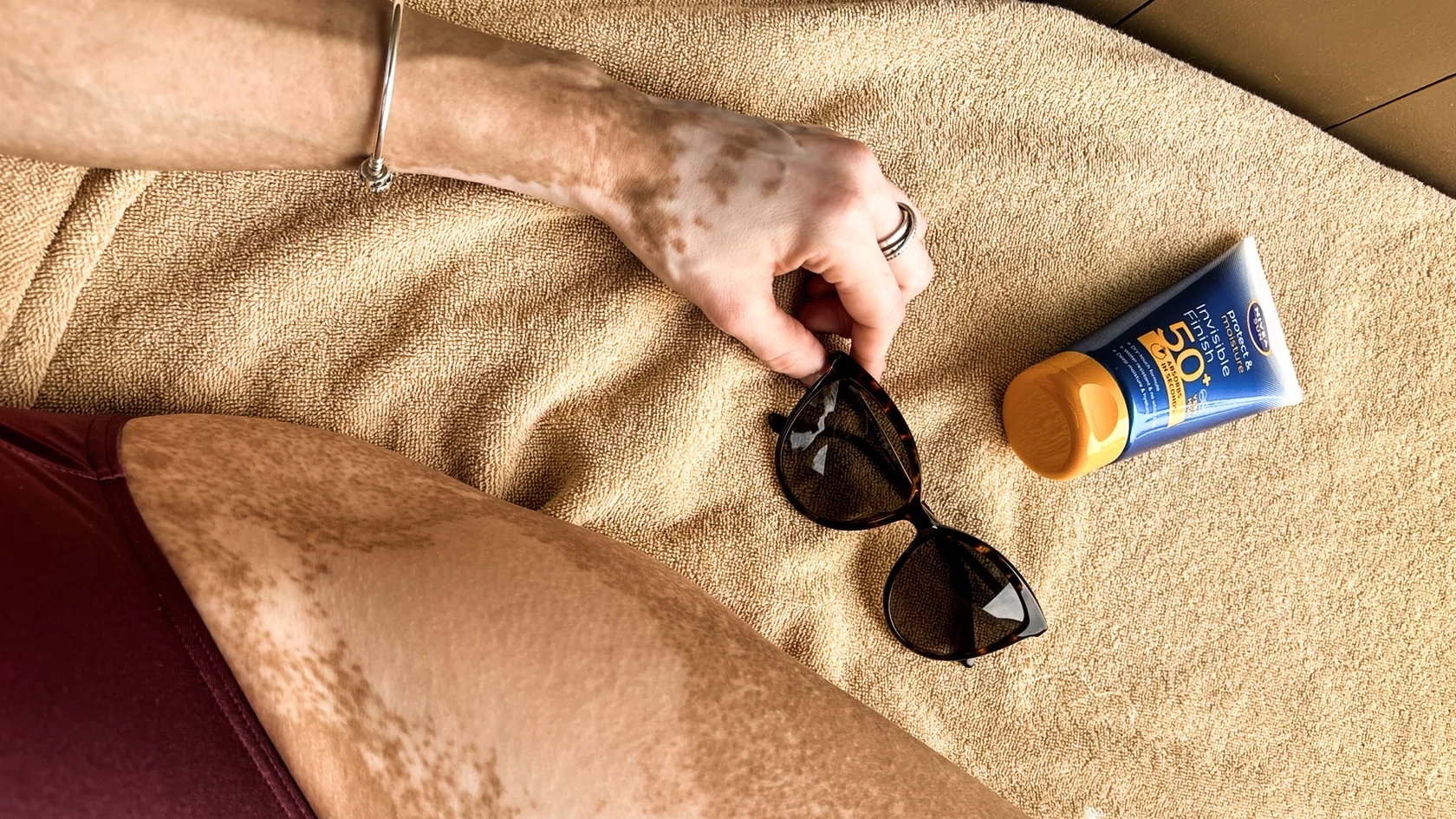
People with vitiligo need to take extra care of their skin in sunlight. White patches lack melanin, which normally helps protect the skin from ultraviolet (UV) rays. As a result, areas affected by vitiligo are more vulnerable to sunburn.
Sunburn is not only painful. It can also increase long‑term skin damage and, for some people, may be linked to further changes in pigmentation. For these reasons, sun protection is an important part of living well with vitiligo.
Sun protection and vitiligo
Effective sun protection includes a combination of sunscreen and practical protective measures.
Good sun‑care habits include:
- using a broad‑spectrum sunscreen that protects against both UVA and UVB rays
- choosing products with at least four‑star UVA protection
- using a high SPF and applying it generously
- reapplying sunscreen regularly, particularly after swimming or sweating
- wearing loose, protective clothing, hats and sunglasses
- seeking shade during the strongest sunlight, usually between 11am and 3pm
Sun protection is important even on cloudy days and when near water, sand or snow, which can reflect UV rays.
Following general sun‑safety guidance, such as that provided by the NHS and the British Skin Foundation, can help reduce the risk of sun damage and protect sensitive skin.

Vitiligo, Vitamin D and sunlight
Sunlight helps the body produce vitamin D, which supports bone and immune health. Balancing sun protection with vitamin D needs can sometimes feel confusing.
Short periods of safe sun exposure, combined with dietary sources or supplements if advised by a healthcare professional, are usually enough for most people. If you are concerned about vitamin D levels, your GP can offer tailored advice.
Read more
Lifestyle


Visit our Member Magazine
Sun safety for children with vitiligo: A parent’s guide
Lifestyle

Visit our Member Magazine
4 strategies for embracing vitiligo & the summer
Lifestyle

Visit our Member Magazine
Protecting Your Skin & The Importance of Sun Safety
Lifestyle

Visit our Member Magazine
5 ways to build confidence when you live with vitiligo
Nutrition, Diet and Wellbeing
Many people ask whether diet or nutrition can influence vitiligo. At present, there is no evidence that any specific diet can cure vitiligo or stop it from progressing. Research in this area is limited, and individual experiences vary.
Eating a balanced, nutritious diet supports general health and wellbeing, whether or not you have vitiligo. Some people choose to explore dietary changes as part of looking after themselves, but restrictive or extreme diets are not recommended without medical guidance.
If you are considering supplements or significant dietary changes, it is sensible to speak to a healthcare professional first.
For those interested in exploring lived experience and expert discussion around nutrition, lifestyle and wellbeing, further reading is available through our online magazine, The VitLife.
Read more
Lifestyle

Visit our Member Magazine
Vitiligo & Natural Remedies – What my research has taught me
Lifestyle

Visit our Member Magazine
Vitiligo and Mental Well-being; Food, Mood & Gut
Lifestyle

Visit our Member Magazine
A personal take on vitiligo and nutrition
Research & Treatment

Visit our Member Magazine
John Harris on dietary supplements for vitiligo
Is there any link between vitiligo and food allergies?
As far as we are aware there is no research to show that vitiligo can either be caused from food allergies, or that you are more likely to have such allergies if you have vitiligo.
Check out our YouTube channel for more information:
 Help fund our summer sun-safety campaigns
Vitiligo, Dating and Intimacy
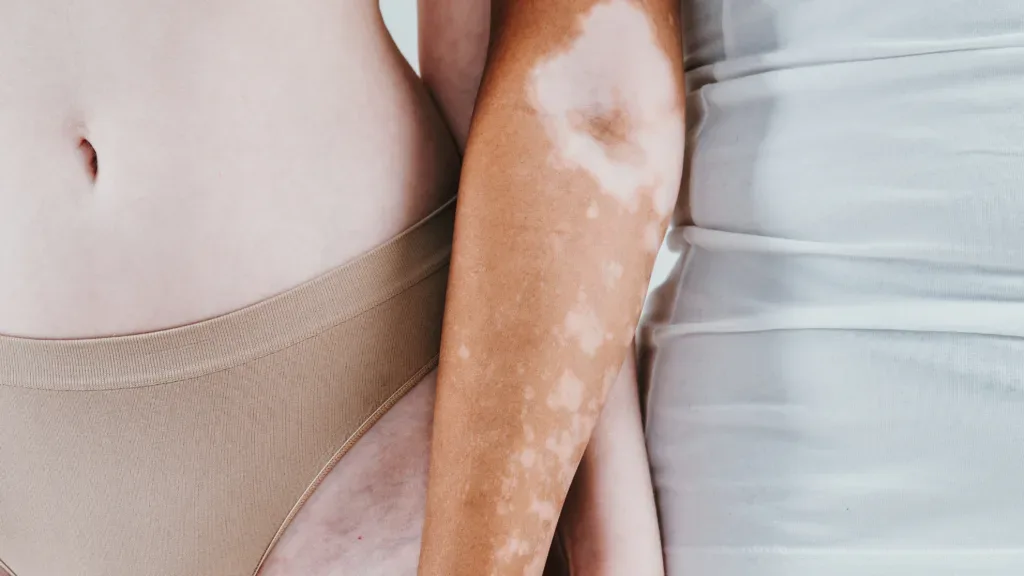
Vitiligo in intimate areas can affect both physical comfort and emotional wellbeing. Vitiligo may appear on any part of the body, including areas that are more private or sensitive. For many people, changes in these areas raise concerns about confidence, relationships and personal identity.
Experiences vary widely. Some people feel little impact, while others find vitiligo in intimate areas difficult to adjust to. This page offers reassurance, understanding and signposting to supportive resources.
Vitiligo and intimate areas
Vitiligo can affect areas such as the groin, genital skin, buttocks, breasts or other parts of the body that are usually private. From a medical perspective, vitiligo in intimate areas is no different from vitiligo elsewhere on the body. However, emotionally, it can feel more challenging due to privacy, sensitivity and the personal meaning attached to these areas.
Some people worry about:
- how vitiligo looks in intimate areas
- how a partner may respond
- changes in confidence or self‑esteem
- whether vitiligo affects physical health
Vitiligo is not contagious, not infectious and does not make intimate contact unsafe. While these facts can be reassuring, emotional concerns may still take time and support to work through.

Vitiligo, relationships and intimacy
Vitiligo does not affect sexual health or physical intimacy. However, anxiety or reduced confidence can influence how comfortable someone feels being close to another person.
Some people find it helpful to:
- decide how and when to talk about vitiligo with a partner
- keep explanations simple and factual
- focus on trust, comfort and emotional safety
There is no obligation to explain vitiligo unless you want to. Choosing what to share, and when, is entirely your decision.
If worry or avoidance around intimacy feels ongoing or distressing, emotional or psychological support may help.
Read more
Lifestyle

Visit our Member Magazine
Dating With Intention When You Have Vitiligo
Lifestyle
Visit our Member Magazine
Navigating Online Dating with Vitiligo: Embracing Confidence and Connection
Lifestyle

Visit our Member Magazine
Dating with a visible skin condition
Lifestyle

Visit our Member Magazine
How Loving Myself First Became The Foundation To Others Loving Me To
Emotional impact and confidence
Vitiligo in intimate areas can affect the way someone feels about their body. Feelings such as embarrassment, shame or anxiety are common and understandable. These reactions are not a sign of weakness.
Confidence may be affected by:
- fear of being seen or judged
- worry about disclosure to a partner
- loss of a sense of control over one’s body
Support around visible difference and body confidence can be helpful. Organisations such as Changing Faces and Face Equality International offer resources focused on confidence, self‑esteem and living with appearance‑related difference.
Talking openly with a trusted partner can also help reduce fear and misunderstanding. Many people find that honest communication strengthens relationships rather than harms them.
These vitiligo lifestyle tips focus on comfort, confidence and simple routines that can support everyday life.
Responding to questions or attention
People may sometimes stare or ask questions about vitiligo. You may find it helpful to:
- prepare a simple explanation, such as “It’s a skin condition called vitiligo”
- reassure others that it is not contagious
- change the subject or step away if you do not want to engage
You are never obliged to explain your skin to anyone.
Confidence and wellbeing in everyday life
Day‑to‑day wellbeing can be supported by:
- connecting with others who understand vitiligo
- focusing on interests, relationships and strengths beyond appearance
- seeking emotional support if vitiligo begins to affect confidence or routines
Read more
Lifestyle

Visit our Member Magazine
Perfecting your skincare regime when you have vitiligo
Lifestyle

Visit our Member Magazine
Considering Botox? Here are 5 things you should think about before you go ahead
Lifestyle

Visit our Member Magazine
Is It Safe To Dye Your Hair When You Have Vitiligo?
Lifestyle

Visit our Member Magazine
Is it safe to get a tattoo if you have vitiligo?
Adapting daily routines
Work, travel and routines
Vitiligo should not stop you from working, travelling or enjoying daily activities. Planning ahead can help:
- pack suitable sun protection when travelling
- check uniform or dress‑code requirements if they affect comfort
- build simple skincare routines that feel manageable, not stressful
Clothing and daily comfort
- Choose fabrics that feel comfortable and breathable against your skin
- Wear clothing that suits your style and confidence, whether or not it covers vitiligo
- In sunny weather, lightweight long sleeves or hats can reduce the need for frequent sunscreen application
Skin, hair and personal care products
Small changes to everyday products can make a difference to comfort, particularly if your skin is sensitive or prone to dryness. While vitiligo itself does not damage the skin, many people find that depigmented areas respond better to gentle, non‑irritating products.
Some general tips that people with vitiligo often find helpful include:
- choosing fragrance‑free or low‑fragrance moisturisers and cleansers
- avoiding harsh soaps, exfoliants or products that strip natural oils from the skin
- using gentle, soap‑free washes for both face and body
- moisturising regularly, especially after bathing or showering
During colder weather, central heating and low humidity can increase skin dryness. Applying moisturiser more frequently and using cream‑ or ointment‑based products rather than lotions may help reduce tightness or irritation.

Hair and scalp care
For scalp vitiligo or general scalp sensitivity, some people prefer mild shampoos designed for sensitive skin or scalp conditions. Products that avoid known irritants or strong fragrances may feel more comfortable, particularly if the scalp is dry or itchy.
If you notice redness, itching, scaling or discomfort of the scalp or skin that does not seem related to vitiligo, it is important to seek medical advice, as these symptoms may be caused by other common skin conditions such as eczema or psoriasis.
Awareness of certain chemicals
Some people choose to be mindful of exposure to certain chemicals found in personal care or household products, particularly if they notice irritation or reactions. For more information on substances that may act as triggers for some individuals, you can read more in our section on vitiligo risk factors and triggers within Understanding Vitiligo.
There is no need to avoid products unless you notice irritation or discomfort. Changes are a personal choice and should be guided by your own experience.
Read more
Lifestyle

Visit our Member Magazine
Vitiligo and Intimate Areas: Honest Answers to the Questions You May be Afraid to Ask
Lifestyle
Visit our Member Magazine
Perfecting your skincare regime when you have vitiligo
Research & Treatment

Visit our Member Magazine
Understanding the dangers of hair removal and vitiligo
Lifestyle

Visit our Member Magazine
Our dermatologists answer your vitiligo questions
Related support and resources
Living well with vitiligo is not just about managing skin care and routines. Alongside practical vitiligo lifestyle tips, many people also benefit from self‑help resources and connecting with others who understand living with vitiligo. You may find the following helpful:
Explore practical tools and resources designed to support confidence, wellbeing and day‑to‑day living with vitiligo. These include guidance shaped by lived experience, emotional wellbeing resources and trusted information to help you feel more informed and supported.
Connecting with others who understand vitiligo can make a meaningful difference. Our support groups offer safe, welcoming spaces to share experiences, listen, and feel less alone — whether online or in person.
If you’re looking for tailored information or want to speak to someone directly, our Support & Advice services can help you explore options and find the right support for you.
Read more
Stories

Visit our Member Magazine
After I was diagnosed with vitiligo, I thought ‘Why me’, now I say ‘This is me”.
Stories

Visit our Member Magazine
How Art Therapy Has Helped Me Change The Way I Feel About Having Vitiligo
Lifestyle

Visit our Member Magazine
Male Depression: How to Spot and Support those with Mental Health Concerns
Lifestyle

Visit our Member Magazine
4 Ways to proactively manage mental health when you live with vitiligo